Pakistan Railway Flats









Details
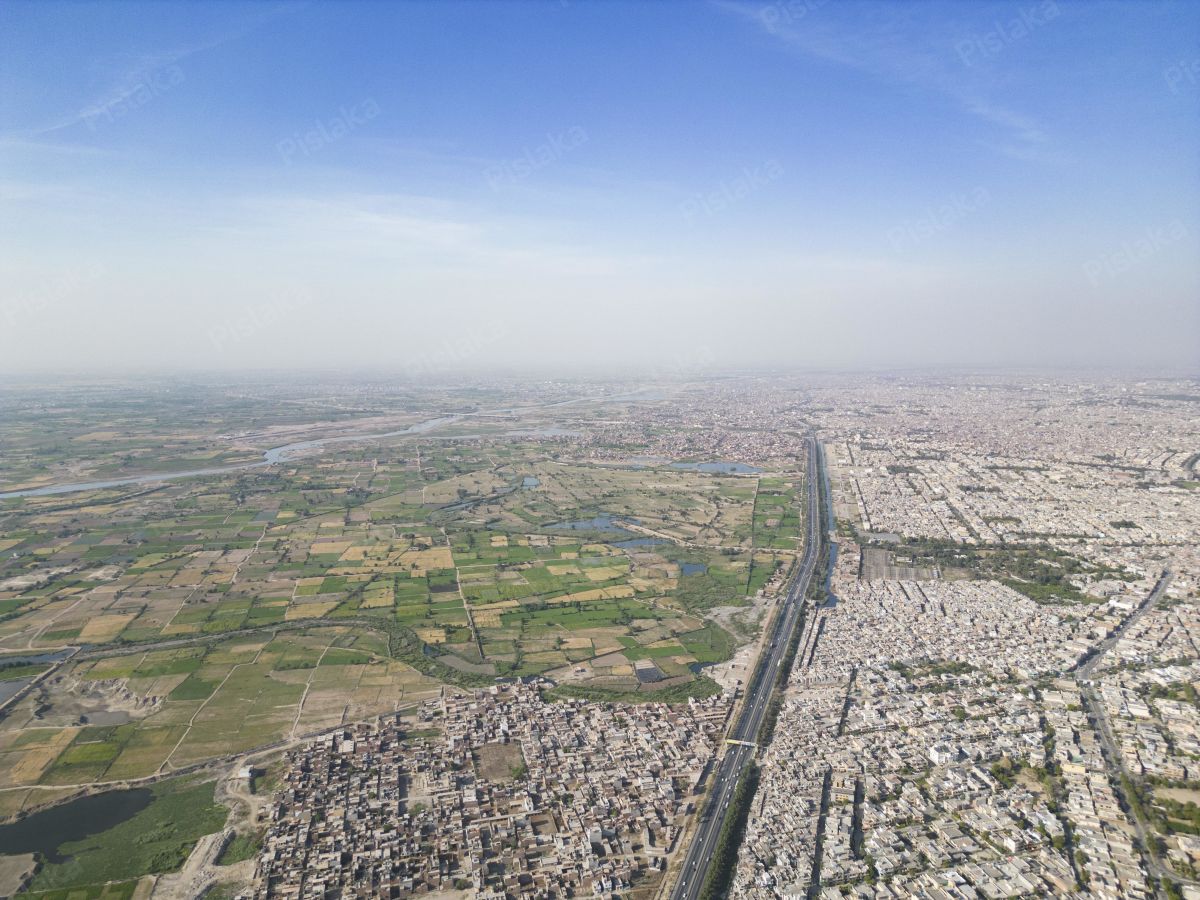
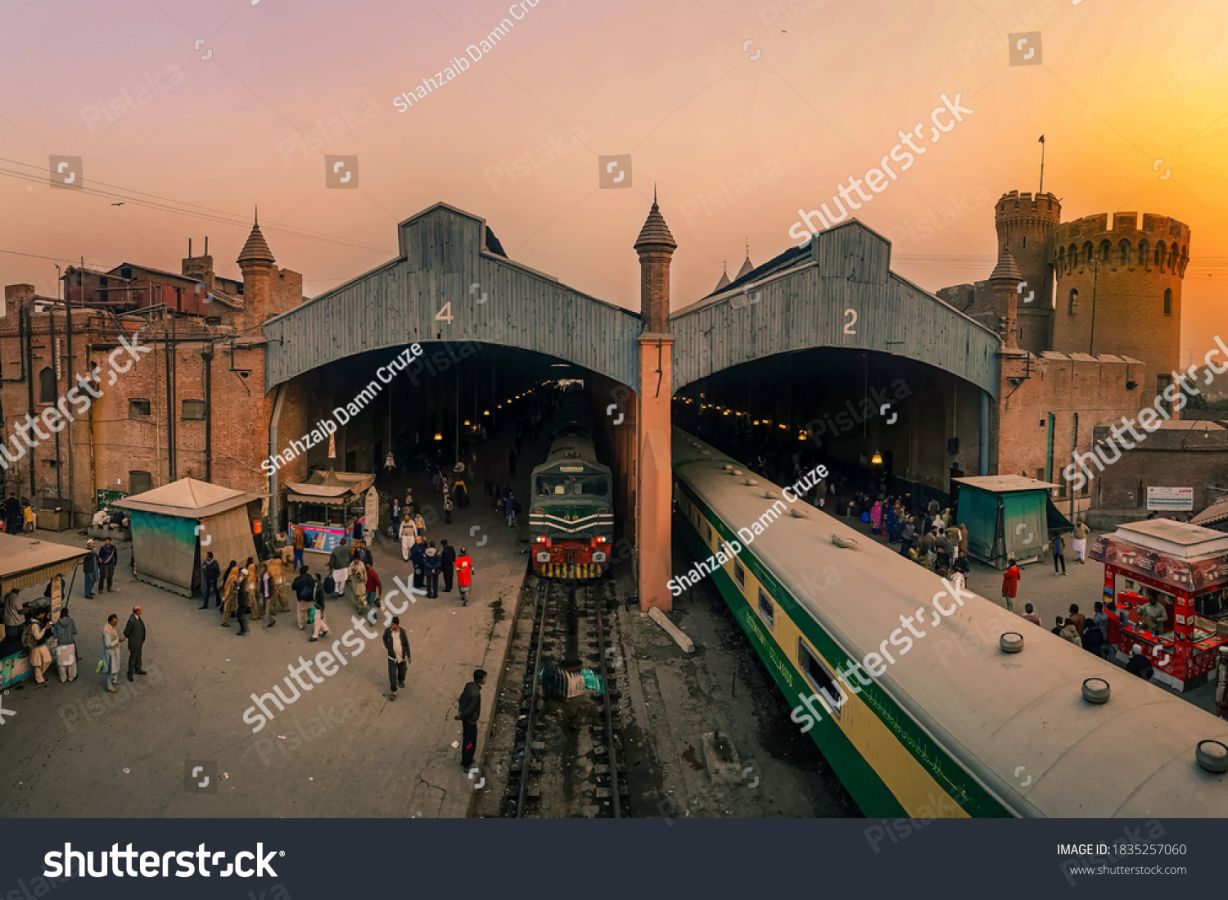
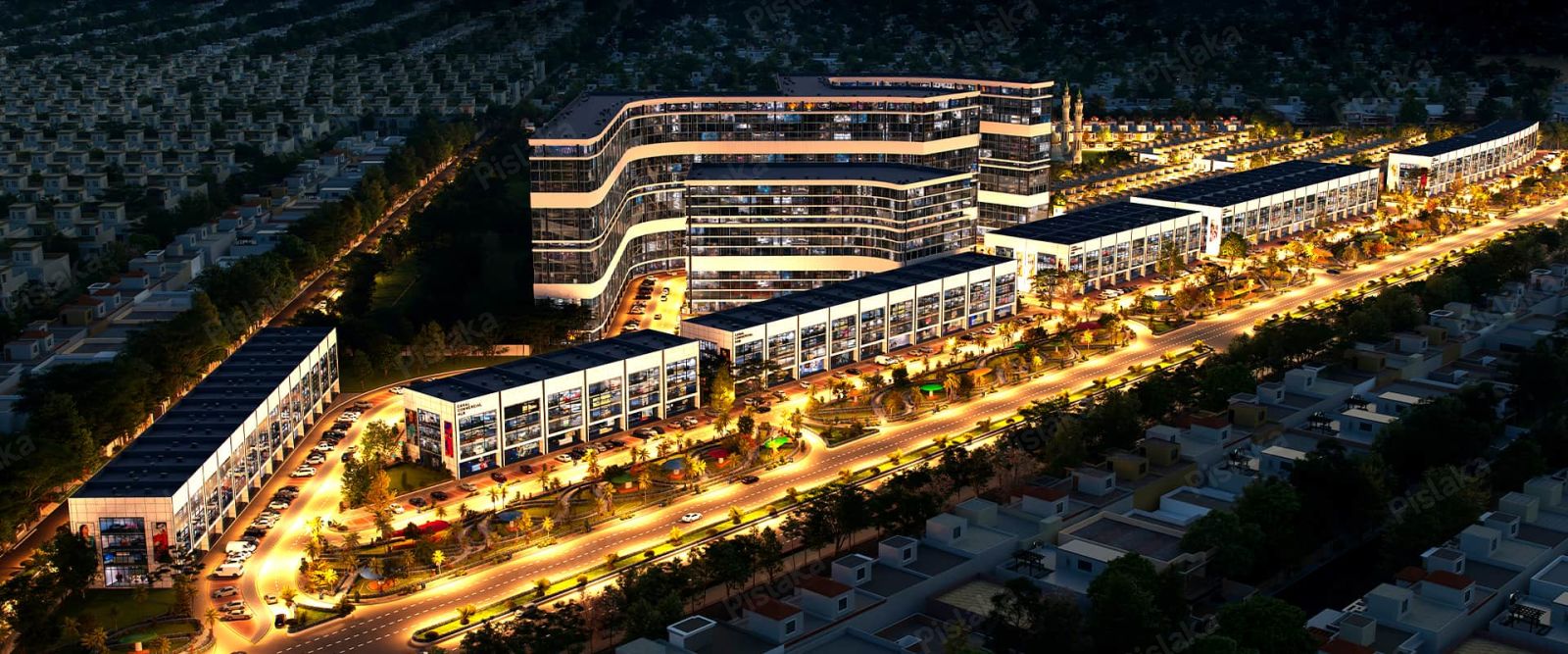
The Pakistan Railway Flats are a purpose-built residential enclave located within the Walton Railway Officers Colony. Developed and managed by the Pakistan Railways Department through the Lahore Railway Employees Cooperative Housing Society (LARECHS), established in 1979, the society occupies over 150 acres of leased land. It provides secure, affordable to mid-range housing primarily for current and retired railway staff and their families, featuring modern amenities within a trusted institutional framework.
- Developer: Pakistan Railways Department / Lahore Railway Employees Cooperative Housing Society (LARECHS)
- Ideal For: Primarily suitable for current and retired Pakistan Railways employees and their families seeking affordable, secure, and low-maintenance urban housing, as well as investors looking for well-located rental properties within a managed institutional community.
Map-calculated
In total
In total
Latest Updates
Approval of Railway Underpass NOC for Urban City Lahore
The Railway Underpass NOC for Urban City Lahore has been officially approved, facilitating infrastructure development in the area. This approval is part of broader urban rail integration efforts in Lahore, though it is unrelated to residential 'Pakistan Railway Flats'. No updates on housing flats or allotment status were found in the sources.
Punjab Government’s Railway Safety Initiative on Shahdara–Raiwind Corridor
In response to the 2020 railway crossing accident that killed 26 pilgrims, the Punjab government has launched a major safety initiative: staffing all 177 unmanned railway crossings and stations along the Shahdara–Raiwind corridor. Additionally, Rs 9.7 billion has been allocated for crossing upgrades, environmental improvements, beautification, and development of 40 parks along the corridor.
High-Speed Rail Project Between Lahore and Rawalpindi
Under Chief Minister Punjab Maryam Nawaz Sharif’s Vision for Transport 2030, a high-speed rail project between Lahore and Rawalpindi is underway. It aims to significantly reduce travel time and introduce faster, more efficient regional connectivity. The broader initiative also includes upgrading 1,415 km of track across 8 routes to benefit over 117 million people in Punjab.
Modern Computer-Based Interlocking (CBI) System Adoption
Pakistan Railways has adopted a modern Computer-Based Interlocking (CBI) system — the first such upgrade in over a century. Construction is slated for 2026–2030, aiming to enhance signaling safety, operational efficiency, and prepare infrastructure for future high-speed and automated services.

Bogus allotment of railways apartments, fake allocation scams, and corruption involving residential quarters, leading to legal ownership uncertainty.

Dilapidated structures, poor maintenance, over-crowded quarters, and crumbling walls in railway housing.